
Key Advantage of Fibre Optic Cabling
Fast and reliable communication is no longer a luxury, it is a necessity. From streaming high-definition videos and supporting remote work to enabling cloud computing and smart technologies, modern life depends heavily on efficient data transmission. At the heart of this digital infrastructure lies cabling technology, and among the available options, fibre optic cabling has emerged as a superior solution. While fibre optics offer several benefits, one major advantage stands out above the rest: exceptionally high data transmission speed and bandwidth.
This blog explores that key advantage in detail, while also touching on related benefits that make fibre optic cabling the preferred choice for modern networks.
Understanding Fibre Optic Cabling
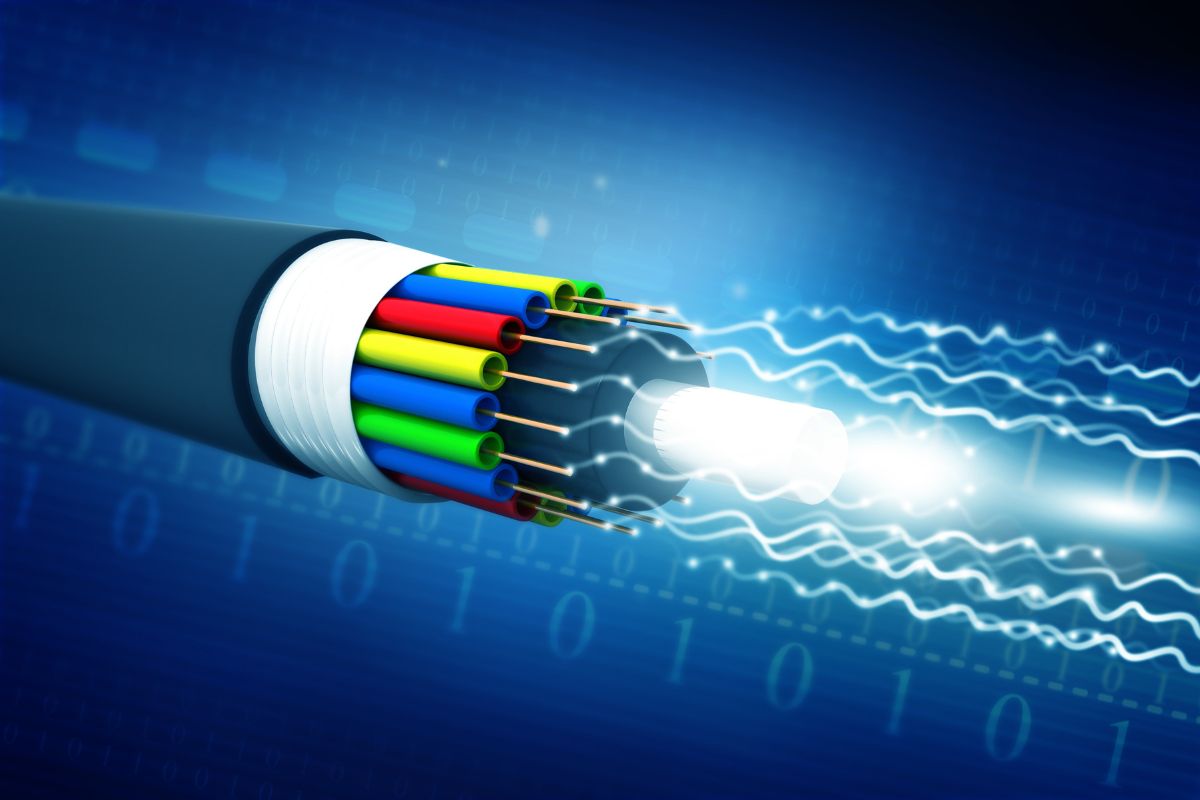
Before discussing its advantages, it is important to understand what fibre optic cabling is. Fibre optic cables transmit data using light signals rather than electrical signals. These cables are made of thin strands of glass or plastic, known as optical fibres, which carry light pulses over long distances.
Unlike traditional copper cables, which rely on electricity, fibre optics use lasers or light-emitting diodes (LEDs) to transmit information. This fundamental difference allows fibre optic networks to achieve levels of speed and performance that copper-based systems simply cannot match.
10 Advantages of Fibre Optic Cabling
Fibre optic cabling plays a vital role in modern communication by enabling fast and reliable data transmission. In this blog, we explore the key advantages of fibre optic cabling and why it is widely used across today’s digital networks.
1. High-Speed Data Transmission
Fibre optic cabling uses light signals to transmit data, which allows information to travel at extremely high speeds. This makes fibre optics ideal for fast internet connections, video conferencing, and real-time communication.
High-speed transmission improves overall network performance and reduces delays. Businesses and individuals benefit from faster downloads, uploads, and smooth online experiences.
2. Greater Bandwidth
Fibre optic cables support much higher bandwidth than traditional copper cables. This means they can carry large amounts of data simultaneously without affecting performance.
High bandwidth is especially important in environments with many connected devices. It allows seamless streaming, cloud computing, and data sharing without congestion.
3. Long-Distance Communication
Fibre optic cabling can transmit data over long distances with minimal signal loss. This makes it suitable for national and international communication networks.
Because fewer signal boosters are required, fibre optics reduce infrastructure costs. They are widely used in telecommunications, internet service providers, and global networks.
4. Low Signal Attenuation
Signal attenuation is the gradual loss of signal strength during transmission. Fibre optic cables experience very low attenuation compared to copper cables.
This ensures clearer and more reliable communication over long distances. As a result, data quality remains high even across large networks.
5. Resistance to Electromagnetic Interference
Fibre optic cables are immune to electromagnetic and radio frequency interference. This is because they transmit data using light rather than electrical signals.
This advantage ensures stable network performance in industrial areas and environments with heavy electrical equipment. It also reduces data errors and signal disruptions.
6. Enhanced Security
Fibre optic cabling provides improved security because it is difficult to tap into. Any attempt to access the cable usually disrupts the signal, making intrusions detectable.
This makes fibre optics ideal for transmitting sensitive information. Banks, government organizations, and data centers rely on fibre for secure communication.
7. Lightweight and Compact
Fibre optic cables are thinner and lighter than copper cables. This makes them easier to transport, install, and manage.
Their compact size saves space in buildings and data centers. It also reduces installation time and labor costs.
8. High Reliability
Fibre optic cables are more reliable because they are less affected by environmental conditions. They do not corrode and can withstand temperature variations.
This reliability results in fewer network failures and reduced maintenance. Organizations benefit from consistent performance and lower repair costs.
9. Scalability and Future-Proofing
Fibre optic cabling can easily support future increases in data demand. Upgrading network speed often requires only changes in equipment, not new cables.
This scalability makes fibre optics a long-term investment. It ensures networks remain capable as technology continues to advance.
10. Energy Efficiency
Fibre optic networks require less power to transmit data over long distances. This is because light signals experience minimal loss during transmission.
Lower energy consumption reduces operating costs and environmental impact. Fibre optics support sustainable and energy-efficient communication systems.
Conclusion
While fibre optic cabling offers many benefits, its greatest advantage is its ability to transmit data at extremely high speeds with massive bandwidth capacity. This single feature enables faster communication, supports modern digital applications, and ensures networks can handle future demands.
Combined with long-distance performance, resistance to interference, enhanced security, and energy efficiency, fibre optic cabling represents the gold standard of modern networking technology. As the world becomes increasingly connected, fibre optics will continue to play a central role in powering the digital future.
Investing in fibre optic cabling is not just about faster internet, it is about building a reliable, scalable, and future-ready communication infrastructure.