
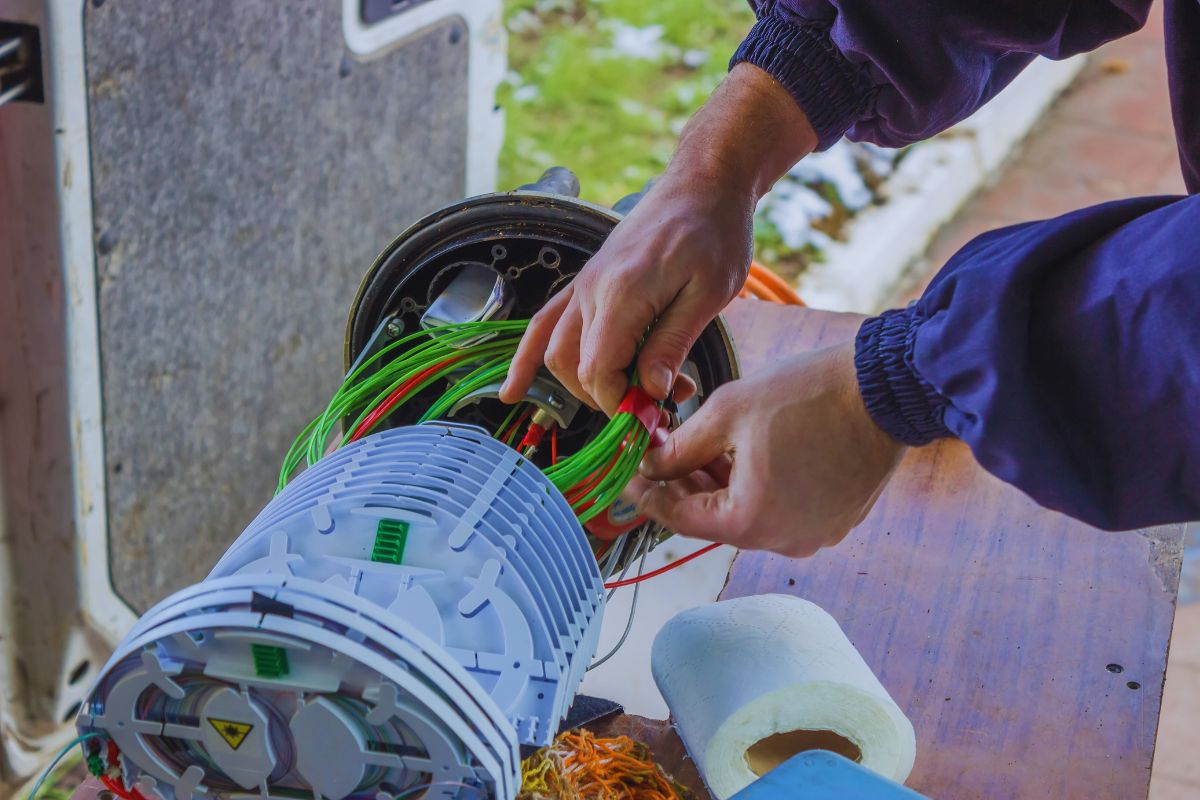
Common Fibre Optic Installation Mistakes to Avoid
Fibre optic technology has become the backbone of modern communication networks, powering everything from high-speed internet and cloud computing to smart cities and 5G infrastructure. While fibre offers unmatched speed, reliability, and scalability, its performance is heavily dependent on correct installation. Even small mistakes during installation can lead to signal loss, network downtime, costly repairs, and long-term reliability issues.
Whether you’re a network engineer, contractor, or business owner overseeing a fibre deployment, understanding common installation mistakes can save time, money, and frustration. Below are some of the most frequent fibre optic installation errors and how to avoid them.
1. Poor Planning and Site Assessment
One of the most common and costly mistakes is rushing into installation without proper planning. Fibre optic networks require careful consideration of routes, distances, environmental conditions, and future expansion.
Why it’s a problem:
- Unexpected obstacles can delay projects
- Incorrect cable selection may limit performance
- Future upgrades become difficult or impossible
How to avoid it:
Conduct a thorough site survey before installation. Identify cable routes, entry points, bend requirements, environmental hazards, and termination locations. Always plan for scalability by allowing extra capacity for future growth.
2. Exceeding Minimum Bend Radius
Fibre optic cables are more fragile than copper cables when it comes to bending. Every fibre cable has a specified minimum bend radius, and exceeding it can cause microbends or macrobends that degrade signal quality.
Why it’s a problem:
- Signal attenuation increases
- Fibre can crack internally without visible damage
- Long-term reliability is compromised
How to avoid it:
Follow manufacturer specifications strictly. Use proper cable management systems, bend-radius guides, and protective conduits. Never force fibre into tight corners or over-tight cable ties.
3. Improper Cable Pulling Techniques
Incorrect pulling methods are a major source of fibre damage. Pulling too hard, pulling from the wrong end, or twisting the cable during installation can all lead to internal fibre breaks.
Why it’s a problem:
- Invisible damage that causes intermittent failures
- Reduced cable lifespan
- Expensive troubleshooting later
How to avoid it:
Always adhere to maximum pulling tension ratings. Use pulling grips, lubricants designed for fibre, and proper rollers for long or underground runs. Never pull fibre by the jacket unless the manufacturer allows it.
4. Contaminated Fibre Connectors
Dirty connectors are one of the leading causes of fibre network failures. Even microscopic dust particles can significantly reduce signal performance.
Why it’s a problem:
- Increased insertion loss
- Signal reflections
- Network instability or complete link failure
How to avoid it:
Adopt a “clean before connect” policy. Use fibre inspection scopes and approved cleaning tools. Keep protective caps on connectors until the moment of termination and avoid touching fibre end faces.
5. Poor Splicing Practices
Splicing is a critical step in fibre installation, and mistakes here can lead to permanent performance issues.
Common splicing mistakes:
- Misalignment of fibres
- Inadequate fusion splicing
- Poor splice protection
Why it’s a problem:
- High splice loss
- Weak points prone to failure
- Increased maintenance costs
How to avoid it:
Use high-quality fusion splicers operated by trained technicians. Always test splice loss and protect splices with proper enclosures designed for the environment.
6. Incorrect Cable Type Selection
Not all fibre cables are the same. Choosing the wrong type for the environment or application is a surprisingly common mistake.
Examples:
- Using indoor cable outdoors
- Choosing multimode instead of single-mode for long distances
- Ignoring fire-rating requirements
Why it’s a problem:
- Premature cable degradation
- Code compliance violations
- Performance limitations
How to avoid it:
Match cable specifications to the application. Consider factors such as distance, bandwidth requirements, environmental exposure, and local building codes before selecting a cable type.
7. Inadequate Cable Management and Labeling
Messy fibre installations aren’t just ugly, they’re risky. Poor cable management can lead to accidental disconnections, excessive bending, and difficult troubleshooting.
Why it’s a problem:
- Increased risk of fibre damage
- Longer repair times
- Confusion during upgrades or maintenance
How to avoid it:
Use proper trays, racks, and organizers. Label cables clearly at both ends with durable tags. Maintain updated network documentation so future technicians can easily understand the setup.
8. Skipping Testing and Certification
Some installers assume that if the link works, the job is done. Skipping proper testing is a major mistake that often leads to hidden issues surfacing later.
Why it’s a problem:
- Undetected signal loss
- No baseline performance data
- Difficulty proving installation quality
How to avoid it:
Always test and certify fibre links using tools such as Optical Loss Test Sets (OLTS) and OTDRs. Document results and keep them for future reference and warranty claims.
9. Ignoring Environmental Factors
Environmental conditions play a huge role in fibre performance and longevity. Ignoring them can shorten the lifespan of the network.
Common environmental risks:
- Moisture ingress
- Temperature extremes
- Rodents or physical damage
Why it’s a problem:
- Signal degradation
- Cable jacket deterioration
- Increased maintenance costs
How to avoid it:
Use cables rated for the specific environment, such as armored fibre for outdoor or underground installations. Ensure proper sealing, grounding, and protection in harsh conditions.
10. Lack of Skilled Training and Experience
Fibre optic installation is not a “learn-as-you-go” task. Inexperienced installers are more likely to make costly mistakes.
Why it’s a problem:
- Higher error rates
- Safety risks
- Network reliability issues
How to avoid it:
Ensure installers are properly trained and certified. Invest in ongoing education to keep up with evolving fibre standards and technologies. Skilled technicians pay for themselves by reducing rework and downtime.
Final Thoughts
It is long-term investment, and their success depends heavily on correct fibre optic installation from day one. While fibre offers incredible performance benefits, it also demands precision, care, and expertise.
By avoiding common mistakes such as poor planning, improper handling, dirty connectors, and inadequate testing, you can ensure a reliable, high-performance network that stands the test of time. Whether you’re installing fibre for a small business or a large-scale infrastructure project, attention to detail and adherence to best practices are key.
A well-installed fibre network doesn’t just work, it delivers consistent speed, reliability, and scalability for years to come.