
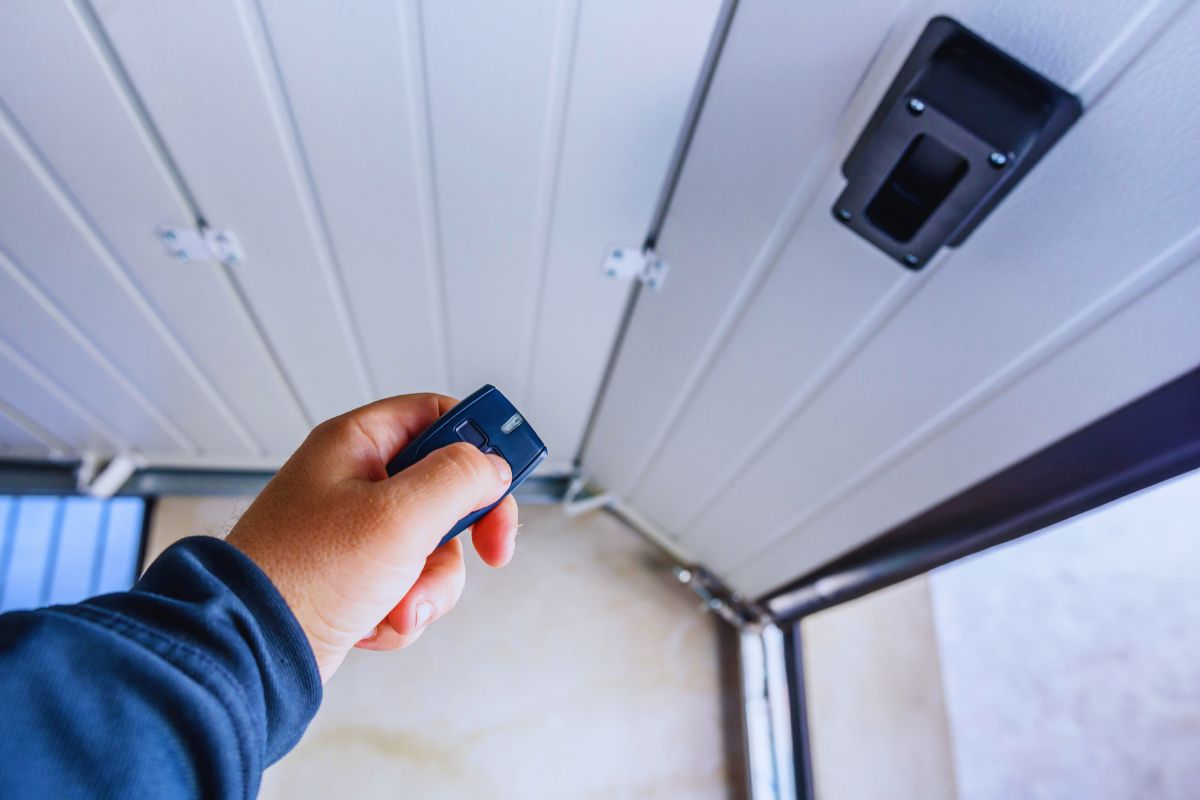
Can I Convert My Garage Door Opener to Smart?
Smart homes are no longer a futuristic luxury, they’re quickly becoming the norm. From smart lights and thermostats to security cameras and doorbells, homeowners are increasingly looking for ways to add convenience, control, and safety to everyday life. One question that comes up a lot is: can you convert an existing garage door opener into a smart one, or do you need to replace it entirely?
The good news is that in most cases, yes. You can convert your garage door opener to a smart system, and it’s usually easier and more affordable than people expect. Let’s break down how it works, what you need, and whether it’s worth doing.
What Is a Smart Garage Door Opener?
A smart garage door opener allows you to control and monitor your garage door remotely using a smartphone app, voice assistant, or home automation system. Instead of wondering whether you left the garage door open, you can simply check your phone and close it from anywhere in the world.
Typical smart features include:
- Remote open and close control
- Real-time alerts when the door opens or closes
- Activity logs showing usage history
- Integration with smart home systems like Alexa, Google Assistant, or Apple HomeKit
- Auto-close schedules or geofencing features
If your current garage door opener still works well mechanically, converting it to smart is often a smarter move than replacing the entire unit.
Can Any Garage Door Opener Be Converted?
Most garage door openers made in the last 15–25 years can be converted, but compatibility depends on a few factors:
- Type of opener: Chain-drive, belt-drive, and screw-drive openers are usually compatible.
- Wired wall button: Many smart add-on devices rely on the same wiring as your existing wall control.
- Safety sensors: Federal law requires photo-eye safety sensors on modern openers, and smart controllers depend on them to function safely.
Very old openers (especially pre-1993 models without safety sensors) are usually not compatible and may be unsafe by modern standards. In those cases, upgrading the entire opener is the better option.
How Does a Smart Garage Conversion Work?
A smart garage conversion typically involves installing a smart garage controller. This is a small device that connects to your existing opener and your home Wi-Fi network.
Here’s how it generally works:
- The smart controller connects to your garage door opener motor.
- A sensor (often magnetic or tilt-based) is installed on the garage door to detect open/closed status.
- The device communicates with an app on your phone via Wi-Fi.
- When you tap “open” or “close” in the app, the controller sends the command to your opener, just like pressing the wall button.
The conversion does not replace your existing opener; it simply adds intelligence to it.
What Do You Need to Convert Your Garage Door to Smart?
Before you start, you’ll want to make sure you have:
- A compatible garage door opener
- A stable Wi-Fi signal in your garage
- A smartphone (iOS or Android)
- A smart garage controller device
- Basic tools (usually just a screwdriver and ladder)
Some popular smart garage controllers also require a cloud account and app setup, which usually takes just a few minutes.
Smart Garage Door Installation: DIY or Professional?
For most homeowners, DIY installation is very achievable. Many smart garage kits are designed for beginners and come with step-by-step instructions and app-guided setup.
Typical installation time:
- 30 to 60 minutes for a first-time install
- No advanced electrical work required
That said, professional smart garage door installation may be worth considering if:
- Your opener wiring is unusual or hard to access
- Your garage has poor Wi-Fi coverage
- You want integration with a larger smart home system
Benefits of Converting to a Smart Garage Door
1. Convenience: Open or close your garage from anywhere, whether you’re in bed, at work, or on vacation. You can also let in family members, delivery drivers, or service providers without handing out physical remotes.
2. Improved Security: Smart alerts notify you if the garage door opens unexpectedly or stays open too long. Since garages often provide access to the house, this extra layer of monitoring is a big win for home security.
3. Peace of Mind: No more turning the car around to check if you closed the garage. A quick glance at your phone gives you instant confirmation.
4. Smart Home Integration: Many smart garage systems work seamlessly with voice assistants and automation routines. For example, you can set your garage door to close automatically at night or when you leave home.
5. Cost Savings: Converting an existing opener is usually far cheaper than replacing it. A smart controller typically costs a fraction of a brand-new smart opener.
Potential Downsides to Consider
While smart conversions are great, they’re not perfect for everyone.
- Wi-Fi dependency: If your internet goes down, remote access won’t work (though manual operation still will).
- Subscription fees: Some brands charge monthly or yearly fees for advanced features.
- Compatibility limits: Not all openers or smart home platforms work together seamlessly.
It’s important to research compatibility before purchasing a device.
Is It Worth Converting Your Garage Door to Smart?
For most homeowners, the answer is yes. If your current garage door opener is reliable and safe, adding smart functionality is a cost-effective way to modernise your home. The convenience, security, and peace of mind alone often justify the upgrade.
However, if your opener is old, noisy, or lacks modern safety features, it may make more sense to replace it with a fully integrated smart garage door opener instead of adding an accessory.
Final Thoughts
Converting your garage door opener to smart is one of the simplest and most impactful smart home upgrades you can make. With minimal investment and effort, you gain better control over your home, increased security, and everyday convenience that quickly becomes indispensable.
If you’re already building a smart home ecosystem or even just starting out, the garage door is an excellent place to begin.