
RJ45 vs CAT6: Which Is Better for Your Network?
When setting up a reliable network, whether at home, in an office, or for a larger enterprise, understanding the components involved is crucial. Two terms that are often used interchangeably but actually refer to different things are RJ45 and Cat6. This confusion can lead to poor purchasing decisions, network bottlenecks, or unnecessary upgrades.
So, what exactly is the difference between RJ45 and Cat6? And more importantly, which one is better for your network? The short answer: it’s not a direct competition. These two terms represent different parts of the networking ecosystem. But to truly understand which is “better,” we need to dive deeper into what each one does and how they work together.
Understanding Basics of RJ45 vs CAT6
What Is RJ45?
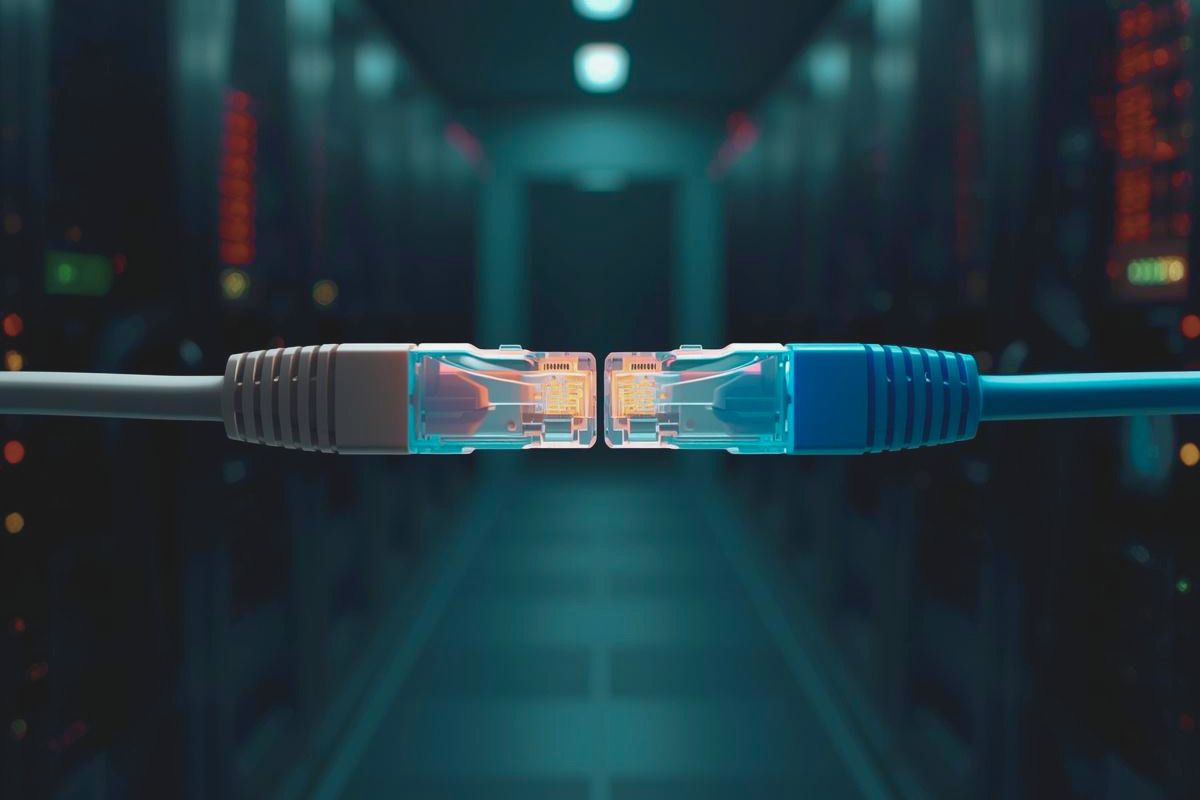
RJ45 refers to a type of connector used in networking. Specifically, it is the standard plug found at the ends of Ethernet cables. If you’ve ever plugged a cable into your router, modem, or computer, you’ve used an RJ45 connector.
The name “RJ45” stands for “Registered Jack 45,” a standardised networking interface. It features:
- 8 pins (also called 8P8C: 8 positions, 8 contacts)
- A plastic clip that locks the connector into place
- Compatibility with most Ethernet cables
RJ45 connectors are used across multiple cable categories, including Cat5, Cat5e, Cat6, Cat6a, and even Cat7 in some cases. In other words, RJ45 is not a cable, it’s the endpoint that connects your cable to a device.
What Is Cat6?
Cat6 (short for Category 6) is a type of Ethernet cable standard. It defines the performance specifications of the cable, including:
- Maximum data transmission speed
- Bandwidth capacity
- Signal quality and interference resistance
Cat6 cables are designed to support:
- Speeds up to 1 Gbps (Gigabit Ethernet) over 100 meters
- Up to 10 Gbps over shorter distances (typically up to 55 meters)
- Bandwidth of up to 250 MHz
Compared to older standards like Cat5 or Cat5e, Cat6 cables have tighter twists in the copper wires and often include a spline separator to reduce crosstalk (interference between wires).
Key Differences Between RJ45 and Cat6
To avoid confusion, let’s break down the core differences:
| Feature | RJ45 | Cat6 |
| Type | Connector | Cable standard |
| Function | Connects cable to device | Transmits data |
| Usage | Used on cable ends | Used throughout network runs |
| Compatibility | Works with multiple cable types | Requires compatible connectors |
| Performance | Does not affect speed directly | Determines speed and bandwidth |
The key takeaway here is simple: RJ45 and Cat6 are not alternatives, they are complementary. You can’t choose one over the other; instead, you use them together.
How RJ45 vs CAT6 Work Together
Think of your network like a highway system:
- Cat6 is the road itself, the quality, width, and condition determine how fast and efficiently traffic flows.
- RJ45 is the exit ramp, it allows vehicles (data) to enter and leave the road.
A high-quality Cat6 cable paired with a poorly terminated RJ45 connector can still lead to network issues. Similarly, a perfectly installed RJ45 connector won’t compensate for a low-grade cable.
For optimal performance, both components must be high quality and properly installed.
Performance Considerations Between RJ45 vs CAT6
a. Speed and Bandwidth
If your primary concern is speed, Cat6 is where your attention should be focused. The cable category determines:
- Maximum data rate
- Resistance to interference
- Overall reliability
RJ45 connectors, on the other hand, must simply support the cable standard. Most modern RJ45 connectors are fully compatible with Cat6 cables, but using subpar connectors can degrade performance.
b. Interference and Crosstalk
Cat6 cables are specifically designed to minimise electromagnetic interference and crosstalk. This makes them ideal for environments with:
- Multiple devices
- Heavy data usage
- Electrical noise (e.g., offices with lots of equipment)
RJ45 connectors can also play a role here. Shielded RJ45 connectors, when paired with shielded Cat6 cables, can further reduce interference in demanding environments.
RJ45 vs CAT6 Installation and Compatibility
a. Ease of Installation
RJ45 connectors require proper crimping tools and a bit of technical skill to attach to cables. Poorly crimped connectors can lead to:
- Intermittent connectivity
- Reduced speeds
- Complete connection failure
Cat6 cables, especially pre-terminated ones, are relatively easy to install. However, bulk cable installations (like in walls or ceilings) require planning and proper handling to maintain performance standards.
b. Backward Compatibility
One of the advantages of RJ45 connectors is their universal compatibility. They work with:
- Cat5
- Cat5e
- Cat6
- Cat6a
Cat6 cables are also backward compatible with older networking equipment, meaning you can use them with devices that support lower speeds without issues.
RJ45 vs CAT6 Cost Comparison
a. RJ45 Connectors
RJ45 connectors are relatively inexpensive. Even high-quality connectors cost only a small amount per unit. However, the cost can add up if you’re wiring an entire building.
b. Cat6 Cables
Cat6 cables are more expensive than Cat5e but offer better performance and future-proofing. Prices vary depending on:
- Length
- Shielding (UTP vs STP)
- Build quality
While the upfront cost is higher, Cat6 cables are often a better long-term investment, especially as internet speeds continue to increase.
RJ45 vs CAT6 Use Cases
a. Home Networks
For most home users:
- Cat6 cables provide more than enough speed for streaming, gaming, and remote work.
- Standard RJ45 connectors will work perfectly.
b. Office Environments
In offices where multiple devices are connected:
- Cat6 cables help ensure stable and fast connections
- Shielded options may be beneficial in high-interference environments
- High-quality RJ45 connectors are essential for reliability
c. Data Centers and Enterprise Networks
For high-performance environments:
- Cat6 or higher (such as Cat6a or Cat7) is recommended
- Shielded cables and connectors may be necessary
- Professional installation is often required
Common Misconceptions Between RJ45 vs CAT6
a. RJ45 Is Better Than Cat6
This is a misunderstanding. RJ45 is not a competing technology, it’s a connector used with Cat6 cables.
b. All RJ45 Connectors Are the Same
Not exactly. While they share the same form factor, there are differences in:
- Build quality
- Shielding
- Compatibility with thicker Cat6 wires
Using connectors specifically designed for Cat6 cables is important for maintaining performance.
c. Cat6 Is Always Necessary
Not always. For basic internet usage, Cat5e may still be sufficient. However, Cat6 is generally recommended for new installations due to its better performance and future-proofing.
Which Should You Choose RJ45 vs CAT6?
If you’re trying to decide between RJ45 and Cat6, you’re asking the wrong question. Instead, consider this:
- Choose Cat6 cables if you want better speed, reliability, and future-proofing.
- Choose high-quality RJ45 connectors that are compatible with Cat6 cables.
In other words, you don’t pick one over the other, you choose both, ensuring they work well together.
Tips for Choosing the Right Setup
- Go for Cat6 or Higher: If you’re installing a new network, Cat6 is a smart baseline choice.
- Match Connectors to Cable Type: Use RJ45 connectors specifically designed for Cat6 cables to avoid performance issues.
- Consider Shielding: In environments with high interference, use shielded Cat6 cables and connectors.
- Invest in Quality Tools: Proper crimping tools ensure secure and reliable connections.
- Plan for the Future: Even if you don’t need high speeds now, investing in Cat6 can save you from upgrading later.
Final Verdict
RJ45 and Cat6 serve different purposes, so comparing them directly isn’t entirely accurate. However, if your goal is to build a fast, reliable network, Cat6 is the more critical component because it determines performance.
RJ45 connectors are equally important in ensuring that performance is delivered consistently, but they don’t define the speed or bandwidth of your network.
In the end, the best network setup uses high-quality Cat6 cables paired with properly installed RJ45 connectors. Together, they form the backbone of a modern, efficient networking system capable of handling everything from everyday browsing to high-demand applications.
Conclusion
Understanding the difference between RJ45 and Cat6 can save you time, money, and frustration when building or upgrading a network. Rather than viewing them as competing technologies, think of them as partners in delivering reliable connectivity.
Cat6 brings the speed and performance, while RJ45 provides the essential connection point. When chosen and installed correctly, they work seamlessly together to power everything from home Wi-Fi setups to enterprise-level infrastructure.
So, which is better? The real answer: neither, because the best network depends on both working in harmony.