
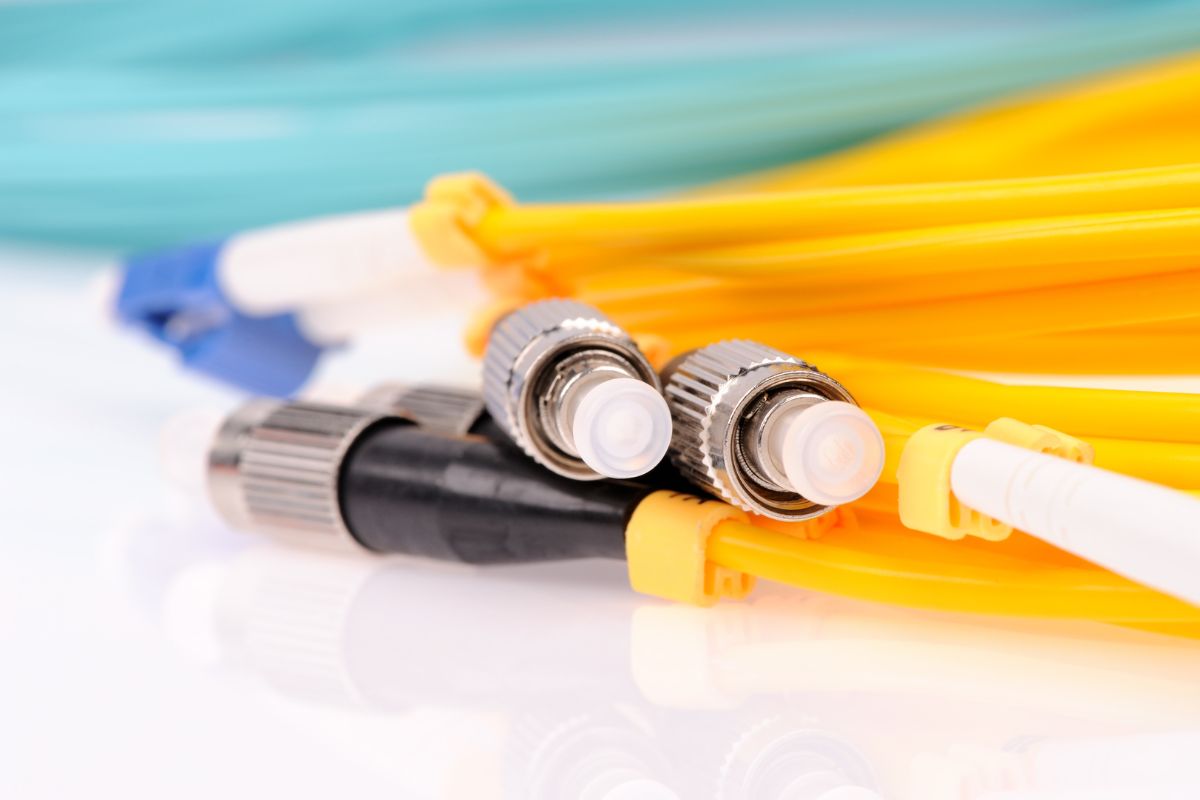
How Fibre Optic Cabling Improves Network Security
In an era where data breaches, cyberattacks, and network intrusions are becoming increasingly common, ensuring strong network security is no longer optional. While software solutions such as firewalls, encryption, and intrusion detection systems play a vital role, the importance of physical network infrastructure is often underestimated. Fibre optic cabling has emerged as one of the most secure and reliable communication mediums, offering significant advantages over traditional copper-based networks.
Fibre optic technology transmits data using pulses of light through strands of glass or plastic. This method not only delivers higher speeds and bandwidth but also introduces multiple security benefits that make fibre optics ideal for modern, high-security networks.
What Makes Fibre Optic Cabling Different?
Unlike copper cables that transmit electrical signals, fibre optic cables use light signals. This fundamental difference contributes directly to their enhanced security features.
Key characteristics of fibre optic cabling include:
- Transmission of data via light rather than electricity
- Extremely low signal loss over long distances
- High resistance to external interference
- Greater difficulty of unauthorized access
These features form the foundation of fibre optic security advantages.
Protection Against Electromagnetic Interference
One of the biggest vulnerabilities of copper cabling is its susceptibility to electromagnetic interference (EMI) and radio frequency interference (RFI). Such interference can distort signals, disrupt communication, or even allow attackers to intercept data.
Fibre optic cabling eliminates this risk because it does not carry electrical current. As a result:
- Fibre cables are immune to EMI and RFI
- Data remains stable even in high-interference environments
- Risk of signal interception is significantly reduced
This makes fibre optics particularly suitable for industrial zones, hospitals, data centers, and military applications.
Improved Resistance to Eavesdropping
Network eavesdropping occurs when unauthorized parties secretly intercept data transmissions. Copper cables can be tapped using specialized tools without causing noticeable signal disruption.
With fibre optic cabling:
- Tapping into the cable usually causes signal loss
- Any physical interference is easier to detect
- Covert monitoring becomes extremely difficult
This means fibre optics offer a higher level of confidentiality, especially for sensitive data such as financial transactions, healthcare records, and government communications.
Enhanced Physical Security and Tamper Detection
Fibre optic cables are made of thin glass fibers that are fragile and highly sensitive to physical manipulation. While this may seem like a disadvantage, it actually enhances security.
Advantages include:
- Cutting or bending the cable disrupts data transmission
- Unauthorized access attempts are quickly detected
- Network monitoring systems can identify tampering in real time
This allows organizations to respond immediately to potential physical security breaches.
Reduced Risk of Data Leakage
Copper cables can emit electromagnetic signals that extend beyond the physical cable, creating opportunities for data leakage. Skilled attackers can exploit these emissions to capture information.
Fibre optic cables prevent this problem because:
- Light signals remain confined within the fiber
- No electromagnetic radiation is emitted
- Data cannot be intercepted without direct physical access
This significantly lowers the chances of sensitive data being exposed during transmission.
Secure Long-Distance Communication
Fibre optic cabling is capable of transmitting data securely over long distances without significant signal degradation. This is especially beneficial for large enterprises and wide-area networks.
Benefits include:
- Fewer repeaters or signal boosters required
- Reduced network vulnerability points
- Consistent data integrity across locations
By minimizing additional hardware, fibre optics reduce potential security weaknesses in the network.
Compatibility with Advanced Security Systems
Modern networks rely on advanced security technologies such as encryption, intrusion detection systems, and continuous monitoring. Fibre optic networks support these technologies efficiently due to their high bandwidth and low latency.
Key advantages:
- Supports high-speed encrypted data transmission
- Enables real-time security monitoring
- Maintains performance even with strong security protocols
This makes fibre optics ideal for organizations implementing layered security strategies.
Greater Reliability and Network Stability
A secure network must also be reliable. Frequent failures or downtime can create opportunities for attackers and disrupt security monitoring.
Fibre optic cables offer:
- Resistance to environmental factors like moisture and corrosion
- Stable performance across varying temperatures
- Lower maintenance requirements
This improved reliability ensures uninterrupted protection and consistent network performance.
Ideal for High-Security Environments
Due to their superior security characteristics, fibre optic networks are widely adopted in sectors where data protection is critical, including:
- Government and defense
- Banking and financial services
- Healthcare and medical research
- Corporate data centers
These industries rely on fibre optics to meet strict security and compliance standards.
Conclusion
Fibre optic cabling plays a crucial role in enhancing network security by offering protection against interference, eavesdropping, data leakage, and physical tampering. Its ability to support advanced security technologies while maintaining high performance makes it a future-ready solution for modern networks.
By investing in fibre optic infrastructure, organizations not only improve speed and efficiency but also establish a stronger, more secure foundation for protecting sensitive information in an increasingly connected digital landscape.