
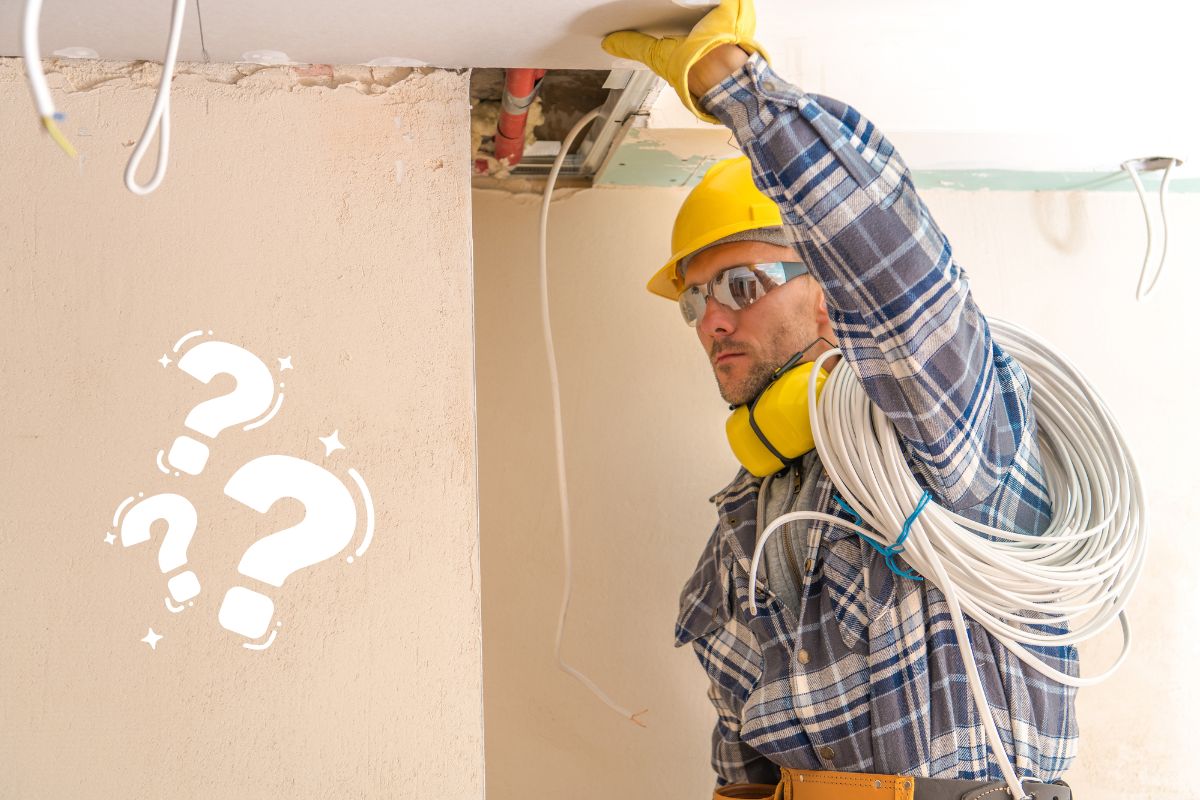
10 Questions To Ask Your Data Cabling Installer
A reliable data cabling system is the backbone of every modern business. Whether you are setting up a new office, upgrading your current network, or preparing for future growth, the quality of your cabling infrastructure directly affects your internet speed, communication systems, security, and overall productivity.
Choosing the right data cabling installer is not simply about finding the lowest quote. Poor installation can lead to downtime, slow connections, costly repairs, and ongoing operational issues. That is why asking the right questions before hiring a contractor is essential.
10 Important Questions To Ask Your Data Cabling Installer
Here are 10 important questions to ask your data cabling installer before signing a contract.
1. What Experience Do You Have With Similar Projects?
Not all data cabling projects are the same. A small office installation differs greatly from a warehouse, retail store, healthcare facility, or multi-story commercial building.
Ask the installer about:
- Previous projects similar to yours
- Industry-specific experience
- The size and complexity of jobs they have handled
- Whether they have experience with voice, data, fiber optic, and wireless systems
An experienced installer will understand common challenges and know how to design a system that supports your business needs both now and in the future.
You can also request case studies, references, or photos of completed work to verify their expertise.
2. Are You Licensed and Certified?
Licensing and certifications demonstrate professionalism and industry knowledge. A reputable installer should have the proper credentials required in your region.
Important certifications may include:
- Structured cabling certifications
- Fiber optic installation certifications
- Manufacturer certifications
- Safety compliance training
Certified installers are more likely to follow industry standards and best practices. This reduces the risk of faulty installations and ensures your system performs efficiently.
Do not hesitate to ask for proof of licensing, insurance, and certifications before work begins.
3. What Type of Cabling Do You Recommend?
Different businesses require different types of cabling depending on speed requirements, budget, and future growth plans.
Your installer should explain the differences between:
- Cat5e
- Cat6
- Cat6a
- Cat7
- Fiber optic cabling
Each option offers different performance levels and bandwidth capabilities. For example, Cat6a may be ideal for businesses expecting high-speed data demands, while fiber optic cabling is often best for long-distance or high-capacity applications.
A trustworthy installer will recommend solutions based on your actual needs rather than pushing unnecessary upgrades.
4. Will the System Be Scalable for Future Growth?
Technology changes quickly. A network that works today may become outdated in a few years if it is not designed with scalability in mind.
Ask your installer how the cabling system can accommodate:
- Additional employees
- New devices
- Cloud applications
- VoIP phone systems
- Security cameras
- Wireless access points
- Increased internet speeds
Future-proofing your infrastructure can save significant costs later by reducing the need for major upgrades or rewiring.
A good installer will help you plan for expansion without overspending upfront.
5. Do You Follow Industry Standards?
Professional data cabling installations should comply with recognised industry standards to ensure reliability, safety, and performance.
These standards typically cover:
- Cable routing
- Labeling
- Testing procedures
- Fire safety regulations
- Cable management
- Performance requirements
Improperly installed cables can create safety hazards, signal interference, and maintenance difficulties.
Ask the installer which standards they follow and whether they provide documentation after installation. Proper compliance ensures your network remains organised, efficient, and easier to troubleshoot in the future.
6. What Testing and Certification Will Be Provided?
A professional installation should always include testing and certification of the completed cabling system.
Testing verifies that:
- Cables are correctly installed
- Connections meet performance standards
- There is no signal loss or interference
- The network operates at the expected speed
Without proper testing, hidden issues may go unnoticed until they cause network failures.
Ask whether the installer provides:
- Cable performance reports
- Fluke testing results
- Certification documentation
- Network diagrams
These records are valuable for troubleshooting, maintenance, and future upgrades.
7. What Is Included in the Quote?
Pricing can vary significantly between installers, so it is important to understand exactly what is included in the proposal.
Ask for a detailed breakdown covering:
- Labor costs
- Materials
- Cable types
- Hardware
- Testing
- Network cabinets
- Patch panels
- Cleanup
- Warranty coverage
Some contractors provide low quotes initially but add hidden costs later. A transparent quote helps you avoid unexpected expenses and compare providers accurately.
You should also clarify whether the quote includes after-hours work if your business requires installation outside normal operating times.
8. How Long Will the Installation Take?
Downtime can disrupt business operations, especially if the installation occurs in an active workplace.
Ask the installer:
- How long the project will take
- Whether work can be completed in stages
- If installation can occur after business hours
- What steps they take to minimise disruption
An experienced installer should provide a realistic timeline and communicate clearly throughout the project.
Delays often occur when planning is poor or resources are limited, so understanding the schedule upfront helps avoid frustration later.
9. Do You Offer Warranties and Ongoing Support?
Even the best systems may eventually require maintenance or troubleshooting. That is why post-installation support matters.
Ask about:
- Workmanship warranties
- Manufacturer warranties
- Response times for service calls
- Ongoing maintenance agreements
- Emergency support availability
A reliable installer will stand behind their work and provide assistance if issues arise after installation.
Long-term support can be especially important for businesses that rely heavily on uninterrupted connectivity and communication systems.
10. Can You Provide References or Reviews?
One of the best ways to evaluate a data cabling installer is through customer feedback.
Ask for:
- Client references
- Online reviews
- Testimonials
- Examples of completed projects
Speaking with previous customers can give you insight into:
- Reliability
- Communication
- Work quality
- Professionalism
- Problem-solving abilities
Consistent positive feedback is usually a strong indicator that the installer delivers quality service.
If a contractor hesitates to provide references, consider it a red flag.
Why Choosing the Right Installer Matters
Your data cabling infrastructure supports nearly every aspect of your business operations. From internet access and cloud computing to security systems and phone communications, everything depends on a stable and efficient network.
Poor cabling installations can result in:
- Slow network performance
- Frequent outages
- Increased maintenance costs
- Security vulnerabilities
- Difficulty scaling operations
- Expensive future repairs
On the other hand, a properly installed structured cabling system provides:
- Faster connectivity
- Better reliability
- Easier maintenance
- Improved organization
- Enhanced scalability
- Long-term cost savings
Investing in quality installation from the beginning can prevent many operational headaches later.
Additional Tips Before Hiring a Data Cabling Installer
Beyond asking the right questions, consider these additional best practices:
- Compare Multiple Quotes: Do not automatically choose the cheapest option. Compare value, experience, certifications, and included services.
- Check Communication Skills: A professional installer should communicate clearly, answer questions confidently, and explain technical concepts in simple terms.
- Prioritise Organisation: Neatly labeled and organised cabling makes troubleshooting and future upgrades much easier.
- Ask About Safety Procedures: Installers working in commercial buildings should follow proper workplace safety standards and insurance requirements.
- Review the Contract Carefully: Ensure timelines, responsibilities, warranties, and costs are clearly documented before work begins.
Final Thoughts
Hiring a data cabling installer is an important decision that can affect your business for years to come. While many providers may offer similar services, the quality of installation, planning, and support can vary dramatically.
By asking these 10 questions, you can better evaluate potential installers and ensure your network infrastructure is reliable, scalable, and built to support your future growth.
A well-designed cabling system is more than just wires behind walls, it is the foundation of your business communication and technology performance. Taking the time to choose the right data cabling installer today can save you significant time, money, and frustration in the future.