
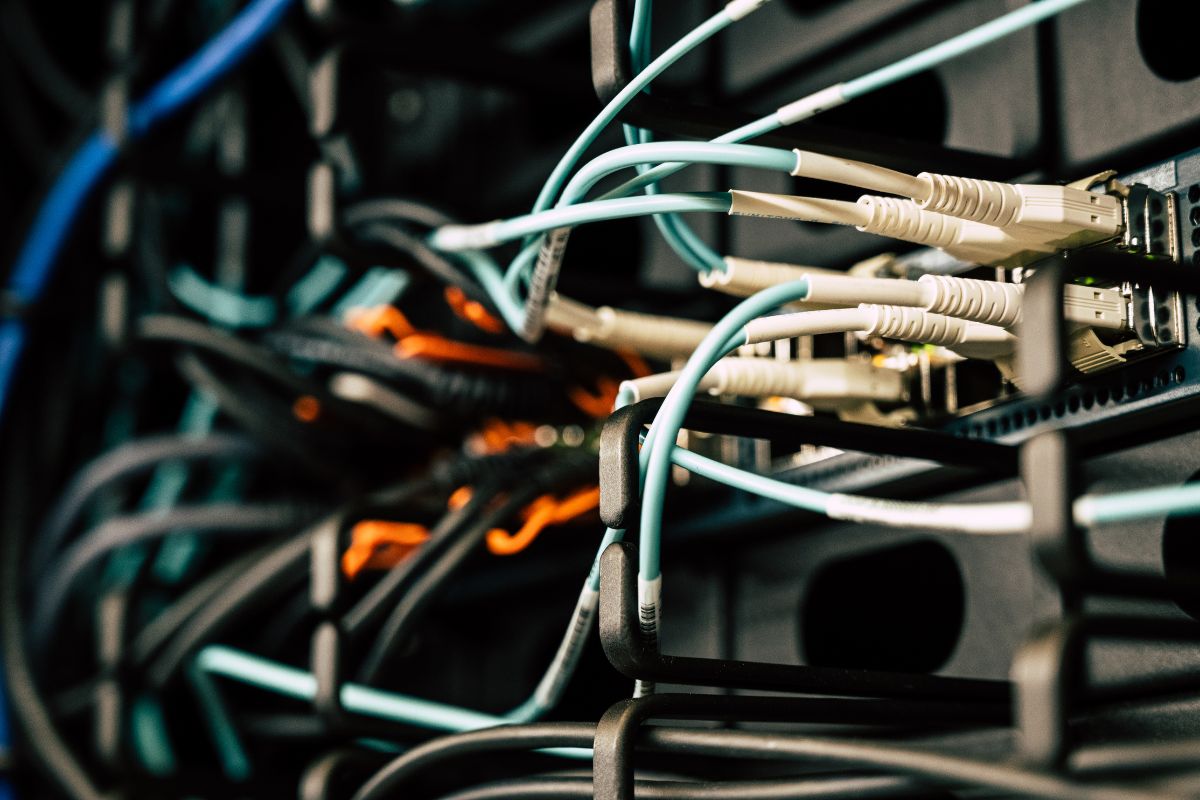
How Poor Cable Management Can Damage Your Equipment
Cable management is often treated as an afterthought. Whether it’s under a desk, behind a TV stand, or inside a server rack, cables are frequently left tangled, bent, or piled together without much consideration.
While this may seem harmless, poor cable management can quietly cause serious damage to your equipment over time. From reduced performance to safety hazards, disorganised cables can create problems that are far more costly than the effort required to manage them properly.
1. Physical Wear and Tear on Cables
One of the most direct ways poor cable management damages equipment is through physical stress on the cables themselves. When cables are tightly bent, twisted, or stretched, the internal wires and insulation can degrade. Sharp bends can break copper conductors or weaken fiber-optic cables, leading to intermittent connections or complete failure.
Cables hanging under tension such as power cords pulled tightly from wall outlets or data cables stretched between devices, are especially vulnerable. Over time, this strain can damage not only the cable but also the ports they’re connected to, loosening connectors or cracking solder joints inside the device.
2. Overheating and Reduced Airflow
Modern electronics generate heat, and proper airflow is essential to keep components within safe operating temperatures. Cable management mistake can obstruct ventilation paths, trap heat, and reduce the effectiveness of cooling systems.
For example, a bundle of cables blocking a computer’s exhaust fan or packed tightly inside a server rack can cause temperatures to rise. Excessive heat accelerates component wear, shortens lifespan, and increases the risk of sudden failure. In extreme cases, overheating can cause devices to shut down unexpectedly or suffer permanent damage.
3. Increased Risk of Electrical Interference
When power cables and data cables are tangled together without organisation, electrical interference becomes more likely. Power cables emit electromagnetic fields that can interfere with nearby signal cables, especially Ethernet, audio, or video lines.
This interference may not destroy equipment instantly, but it can degrade performance over time. Symptoms include slower network speeds, dropped connections, audio noise, and display flickering. Persistent interference can also strain hardware as devices repeatedly attempt to correct errors or reconnect.
4. Accidental Disconnections and Port Damage
Messy cables make it easier to accidentally unplug or partially disconnect equipment. A foot catching on a loose cable under a desk or a cable being pulled while moving equipment can abruptly disconnect devices. Sudden disconnections can corrupt data, damage hard drives, or interrupt firmware updates.
Repeated pulling and yanking also puts stress on ports. USB, HDMI, Ethernet, and power ports are not designed to handle constant lateral force. Over time, ports can loosen, crack, or detach from internal circuit boards, often requiring costly repairs or full device replacement.
5. Fire and Safety Hazards
Poor cable management is not just an equipment issue, it’s also a safety concern. Overloaded power strips buried under piles of cables can overheat. Damaged insulation from pinched or bent power cords increases the risk of short circuits or sparks.
Dust buildup is another hidden danger. Tangled cables collect dust more easily, and dust is flammable. Combined with heat from electronics, this creates a higher risk of electrical fires, especially in enclosed spaces like cabinets or racks.
6. Difficulty Identifying and Fixing Problems
When cables are disorganised, troubleshooting becomes harder and more time-consuming. Identifying which cable belongs to which device can require unplugging multiple connections, increasing the chance of mistakes or damage.
This often leads to unnecessary handling of cables and ports, which further accelerates wear. In professional environments, such as offices or data centers, poor cable management can also increase downtime, leading to productivity losses and higher maintenance costs.
7. Shortened Equipment Lifespan
All of these issues, physical stress, heat buildup, interference, and accidental damage, contribute to one outcome: a shorter lifespan for your equipment. Electronics are designed to operate within specific conditions. Poor cable management creates an environment that consistently pushes devices outside those limits.
Replacing cables may be relatively inexpensive, but replacing damaged ports, power supplies, or entire devices is not. Over time, the cost of neglecting cable management can far exceed the cost of doing it properly in the first place.
8. Benefits of Proper Cable Management
Good cable management helps protect your equipment and improves overall performance. Properly routed and secured cables reduce strain, improve airflow, minimise interference, and make maintenance easier. It also creates a cleaner, more professional-looking setup, whether at home or in the workplace.
Simple practices, such as using cable ties or Velcro straps, labeling cables, separating power and data lines, and allowing slack for movement, can make a significant difference. Investing a small amount of time upfront can prevent major issues later.
Conclusion
Poor cable management may seem like a minor inconvenience, but its impact on equipment health is significant. From physical damage and overheating to interference and safety risks, disorganised cables create an environment where electronics struggle to operate reliably.
By taking cable management seriously, you protect your devices, extend their lifespan, and reduce the likelihood of costly repairs or replacements. In the long run, neat cables are not just about aesthetics, they’re about performance, safety, and durability.